7 Strategic Benefits of eCommerce SEO for Sustainable Growth
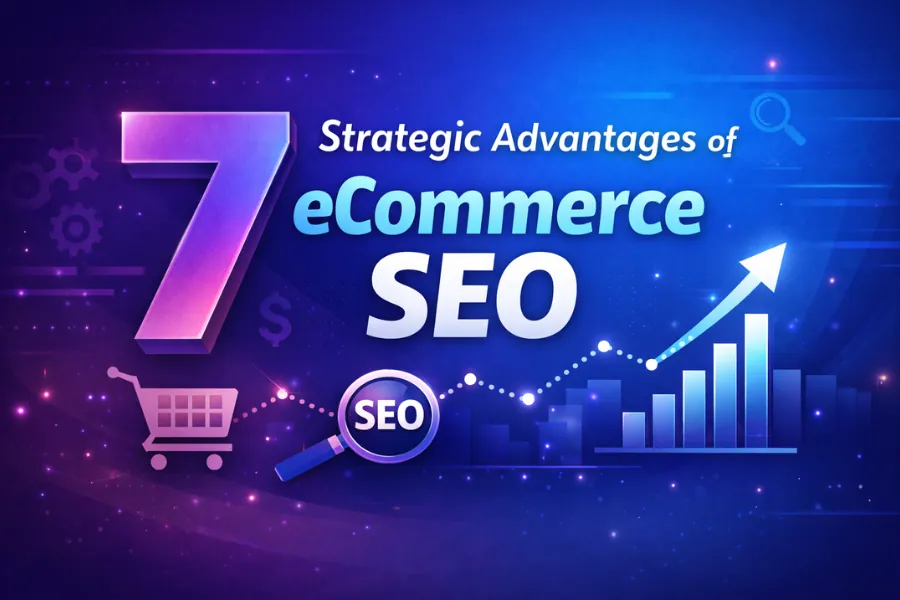
Benefits of eCommerce SEO go beyond higher rankings. They include steady organic traffic, lower customer acquisition costs, improved product visibility, stronger brand trust, higher click-through rates, scalable growth, and long-term revenue stability. When structured correctly, SEO becomes a reliable growth channel for online stores.
Quick Answer — What Are the Strategic Benefits of eCommerce SEO?
The strategic benefits of eCommerce SEO include steady organic traffic, lower long-term marketing costs, improved product visibility, and stronger brand trust. Unlike paid ads, SEO continues to drive visitors without ongoing ad spend. When site structure and content are optimized, organic search supports stable and scalable revenue growth.
Higher Organic Traffic With Clear Buying Intent
One of the strongest benefits of eCommerce SEO is traffic with real buying intent. These are people actively searching for a product. They are not just browsing. They are looking for something specific. When your store appears in those searches, you meet demand at the right moment. That is very different from interrupting someone with an ad.
Why Search Traffic Converts Better Than Social Traffic
Search traffic converts better because it starts with a need. A user typing “best price wireless headphones” already has purchase intent. They are comparing options. Social media traffic is often passive. People scroll for entertainment. Even if they click, they may not be ready to buy. Search captures people when they are actively deciding. Many industry reports show that organic search drives a large share of eCommerce revenue. That happens because intent is stronger at the search stage
Intent-Based Keywords Drive Qualified Visitors
Intent-based keywords match what buyers actually type. These include product names, model numbers, and category phrases like “buy,” “best,” or “near me.” When your product and category pages are mapped to these keywords clearly, traffic quality improves. Fewer random visitors. More qualified prospects. Clear keyword targeting also reduces bounce rate. The page matches the user’s goal. That alignment increases both engagement and sales.
Lower Customer Acquisition Cost Over Time
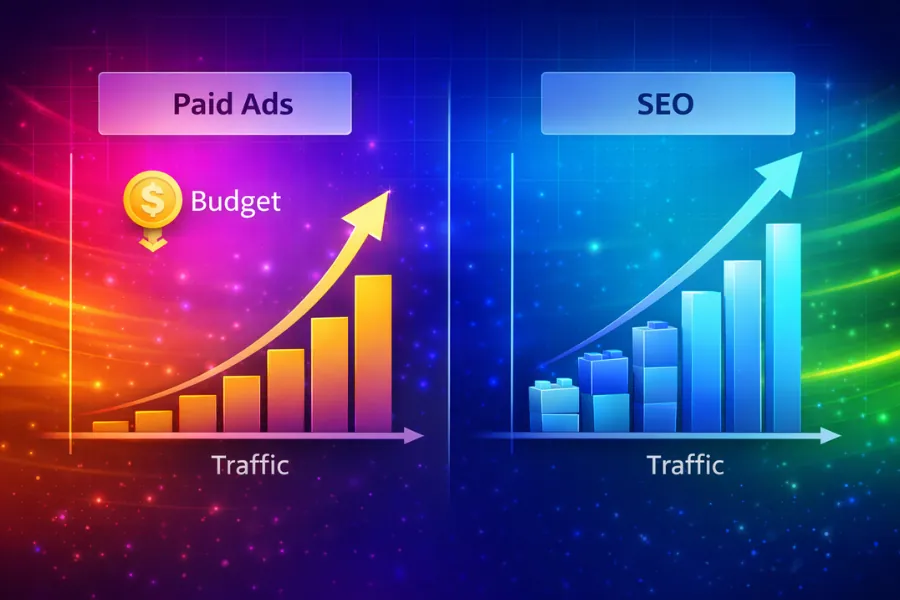
One major benefit of eCommerce SEO is lower customer acquisition cost. Paid ads require constant spending. When the budget stops, traffic stops. SEO works differently. Once your pages rank, they can continue bringing visitors without paying for every click.
Over time, this reduces your average cost per customer. Organic traffic becomes a stable and predictable growth channel.
Why Paid Ads Stop Working When Budget Stops
Paid advertising gives quick results, but it depends on ongoing spend. The moment you pause campaigns, visibility disappears. This makes revenue dependent on budget. For many online stores, ad costs increase as competition grows. Cost per click rises, and margins shrink. That pressure makes long-term profitability harder to maintain.
How SEO Compounds and Reduces Long-Term Spend
SEO compounds because improvements build on each other. Better site structure improves crawl efficiency. Clear category pages increase visibility. Strong internal links help products rank.
Over time, rankings stabilize and traffic becomes more consistent. A structured audit process helps identify technical gaps that block this compounding effect. When foundations are strong, SEO reduces reliance on paid acquisition.
Sustainable Revenue Growth Without Ad Dependency
Many online stores rely heavily on paid ads. Ads can bring quick traffic, but they create dependency. When ad costs rise or budgets are reduced, sales often drop. That makes growth unstable.
eCommerce SEO works differently. Organic rankings do not disappear when you pause spending. When your category and product pages rank well, they continue to attract buyers. This creates a more stable revenue base over time. Sustainable growth happens when traffic is not fully tied to advertising budgets. SEO helps build that balance.
Organic Visibility Stabilizes Sales Cycles
Organic visibility supports steady demand. When your store ranks for important product and category keywords, traffic becomes more predictable.
Instead of sudden spikes from campaigns, you see consistent visits from search users. This helps smooth out seasonal changes and reduces pressure to constantly increase ad spend. Stable visibility leads to more stable sales cycles.
SEO Protects Revenue During Budget Cuts
Marketing budgets change. Economic conditions change. Competition changes. During these shifts, paid campaigns are often reduced first.
If your store depends only on ads, revenue can drop quickly. But if you have strong organic rankings, traffic continues even when spending slows. That organic base acts as protection. It gives your business time to adjust without losing all visibility.
Stronger Product and Category Discoverability
Discoverability means how easily search engines can find and understand your products. In eCommerce, structure matters a lot. If categories are messy or duplicated, search engines struggle to crawl them properly.
When your store has clear categories and organized product pages, search engines can index more of your content. Better indexing means more chances to appear in search results. That directly improves visibility.
Structured Categories Improve Index Coverage
Search engines rely on structure. Clear category pages help them understand how products are grouped. When categories are organized by intent and topic, more pages get indexed correctly.
Poor structure can lead to duplicate pages or thin content. That reduces visibility. A structured audit process helps identify these issues early and ensures that important categories are fully crawlable and properly indexed.
Internal Linking Strengthens Product Authority
Internal links help search engines move through your store. When category pages link clearly to products, and products link back to relevant categories, authority flows naturally.
Strong internal linking also helps users navigate easily. It reduces confusion and improves engagement. Over time, well-connected pages perform better because search engines see clear relationships between them.
Higher Click-Through Rates Through Structured Data
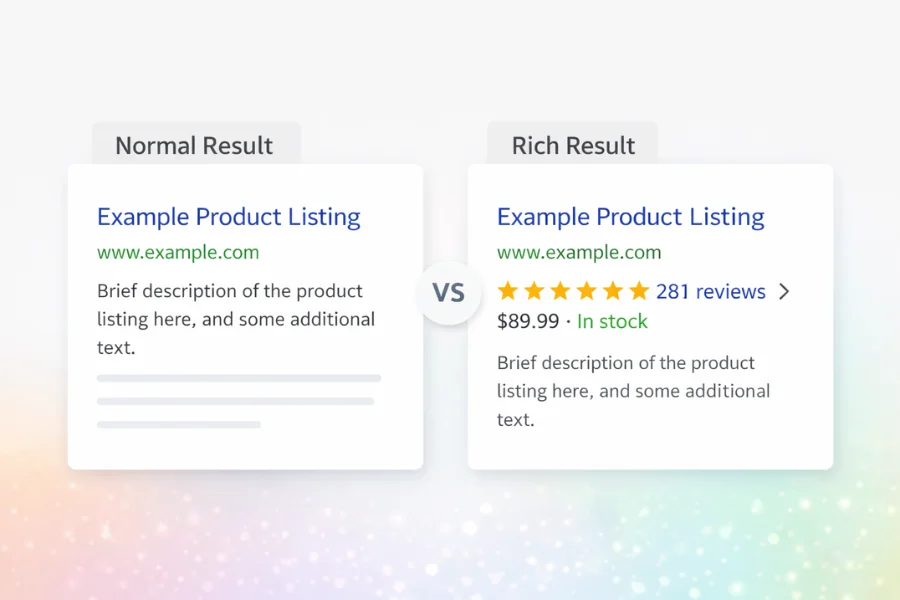
Ranking on page one is important. But getting clicks matters just as much. Structured data helps your listings stand out in search results. It gives search engines extra information about your products. When search engines understand price, rating, availability, and category details, they can show richer results. That makes your listing more visible and more attractive.
How Schema Improves SERP Appearance
Schema is a type of structured data added to your website code. It helps search engines understand what a page represents. For eCommerce stores, this often includes product price, stock status, ratings, and review count.
When schema is implemented correctly, search engines may display this information directly in search results. This improves how your listing looks compared to plain blue links.
Rich Results Increase Trust and Clicks
Rich results include star ratings, product pricing, and availability details. These elements help users make decisions faster. When shoppers see clear information before clicking, trust increases. Studies show that listings with rich results often attract higher click-through rates than standard results. Clear presentation reduces uncertainty and improves engagement.
Scalable Growth as Your Store Expands
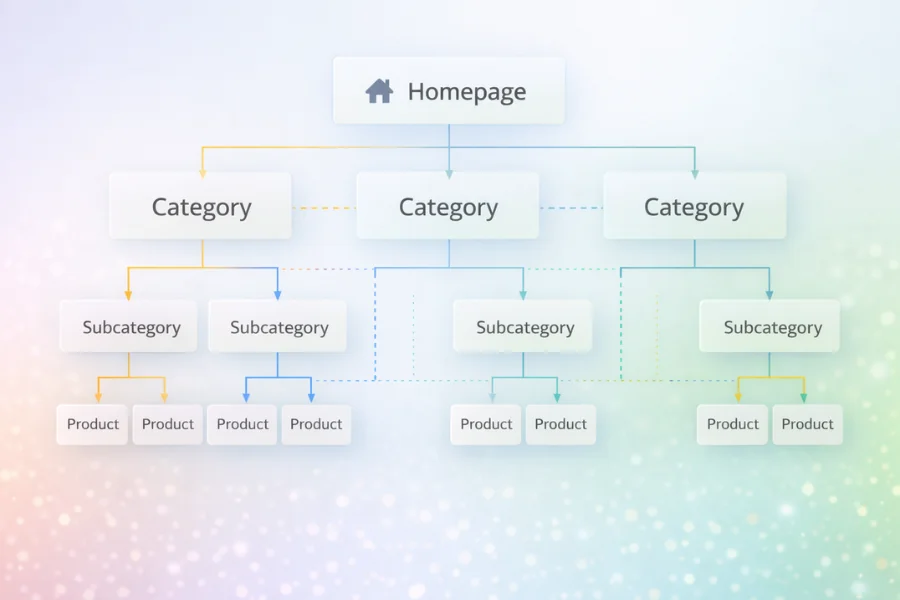
As an online store grows, complexity increases. More products, more categories, and more pages create new SEO challenges. Without structure, growth can lead to confusion in search results.
Scalable growth means your website can expand without losing visibility. Strong SEO foundations allow new products and categories to be added without breaking existing rankings.
Why Technical Structure Matters at Scale
When a store has hundreds or thousands of products, technical structure becomes critical. Clear category hierarchy, clean URLs, and logical internal links help search engines understand relationships between pages. Poor structure at scale can lead to duplicate pages, crawl waste, and weak index coverage. A well-planned framework ensures that expansion strengthens the site instead of weakening it.
SEO Supports Long-Term Expansion
SEO is not just about ranking today. It prepares your store for future growth. When technical foundations are solid, new pages can rank faster because authority flows through the structure. For stores planning long-term expansion, strategic guidance from an eCommerce SEO consultant can help align growth with search performance. Clear planning reduces risk as the business scales.
Common Mistakes That Prevent eCommerce SEO Benefits
Many online stores apply SEO basics but still struggle to grow. The problem is often structural, not strategic. Small technical gaps, weak content, or poor linking can quietly block visibility. Before expecting strong results, these common issues must be fixed.
Thin or Duplicate Product Pages
Many stores use the same product description provided by suppliers. This creates duplicate content across multiple websites. Search engines see little reason to rank one version over another.
Thin pages also lack useful details. No clear specifications. No buyer guidance. No comparison value. When pages do not help users, rankings suffer. Strong product pages include unique descriptions, structured headings, helpful FAQs, and clear intent targeting. This improves both indexing and conversions.
Poor Internal Linking Structure
Internal linking is often ignored. Categories may not link properly to subcategories. Products may not link back to relevant collections. Important pages remain isolated. When pages are not connected clearly, search engines cannot understand their importance. Authority does not flow evenly. Some pages rank well while others remain invisible.
A structured internal linking system strengthens category signals and improves crawl efficiency. This directly impacts discoverability.
Weak Technical Foundations
Technical SEO problems can limit growth even when content is strong. Slow loading pages increase bounce rates. Broken links waste crawl budget. Poor URL structure creates duplication issues. Google research shows that 53% of mobile users leave if a page takes longer than three seconds to load. Speed alone can impact revenue. Strong technical foundations include clean URLs, optimized images, logical site architecture, and proper indexing control. Without these basics, benefits remain limited.
What to Do Next
Understanding the benefits of eCommerce SEO is the first step. The next step is checking whether your store is structured to achieve them. Even small technical gaps or weak category structure can limit growth.
For stores that are already operating at scale or facing competitive pressure, working with an experienced eCommerce SEO consultant can provide clearer direction. Strategic guidance helps prioritize fixes and align SEO with business growth.
Growth does not happen by chance. It happens when structure, clarity, and consistency work together.
FAQs About eCommerce SEO Benefits
Is eCommerce SEO worth it for online stores?
Yes, eCommerce SEO is worth it for most online stores because it drives consistent organic traffic without ongoing ad spend. Unlike paid ads, organic rankings continue to generate visibility over time. When structured properly, SEO reduces customer acquisition costs and supports long-term revenue growth.
How long does eCommerce SEO take to show results?
eCommerce SEO typically takes 3 to 6 months to show measurable results. The timeline depends on competition, site structure, and technical health. Improvements in indexing and content clarity often appear first, while revenue impact builds gradually as rankings stabilize.
How does eCommerce SEO increase online sales?
eCommerce SEO increases sales by targeting high-intent search queries. When product and category pages rank for buyer-focused keywords, visitors arrive with clear purchase intent. Better visibility, structured content, and optimized snippets improve both traffic quality and conversion rates.
What is the ROI of eCommerce SEO compared to paid ads?
The ROI of eCommerce SEO is typically higher over the long term because organic traffic does not require continuous ad spend. Paid campaigns stop when budgets stop. SEO investments compound over time, making customer acquisition costs more stable and predictable.
What are the biggest benefits of eCommerce SEO?
The biggest benefits of eCommerce SEO include higher organic visibility, lower acquisition costs, improved product discoverability, and scalable growth. SEO strengthens both traffic quality and long-term revenue stability when supported by proper technical structure and content optimization.
Can small eCommerce stores benefit from SEO?
Yes, small eCommerce stores can benefit significantly from SEO. Smaller sites often compete in niche categories with lower competition. With focused keyword targeting and strong site structure, even new stores can gain visibility without large advertising budgets.
